Learning at Kids Avenue
Young children learn through play, relationships, exploration, repetition and meaningful experiences.
At Kids Avenue, we bring these together with thoughtful teaching to help children build knowledge, skills, independence and confidence — at a pace that respects how young children develop.
How children learn
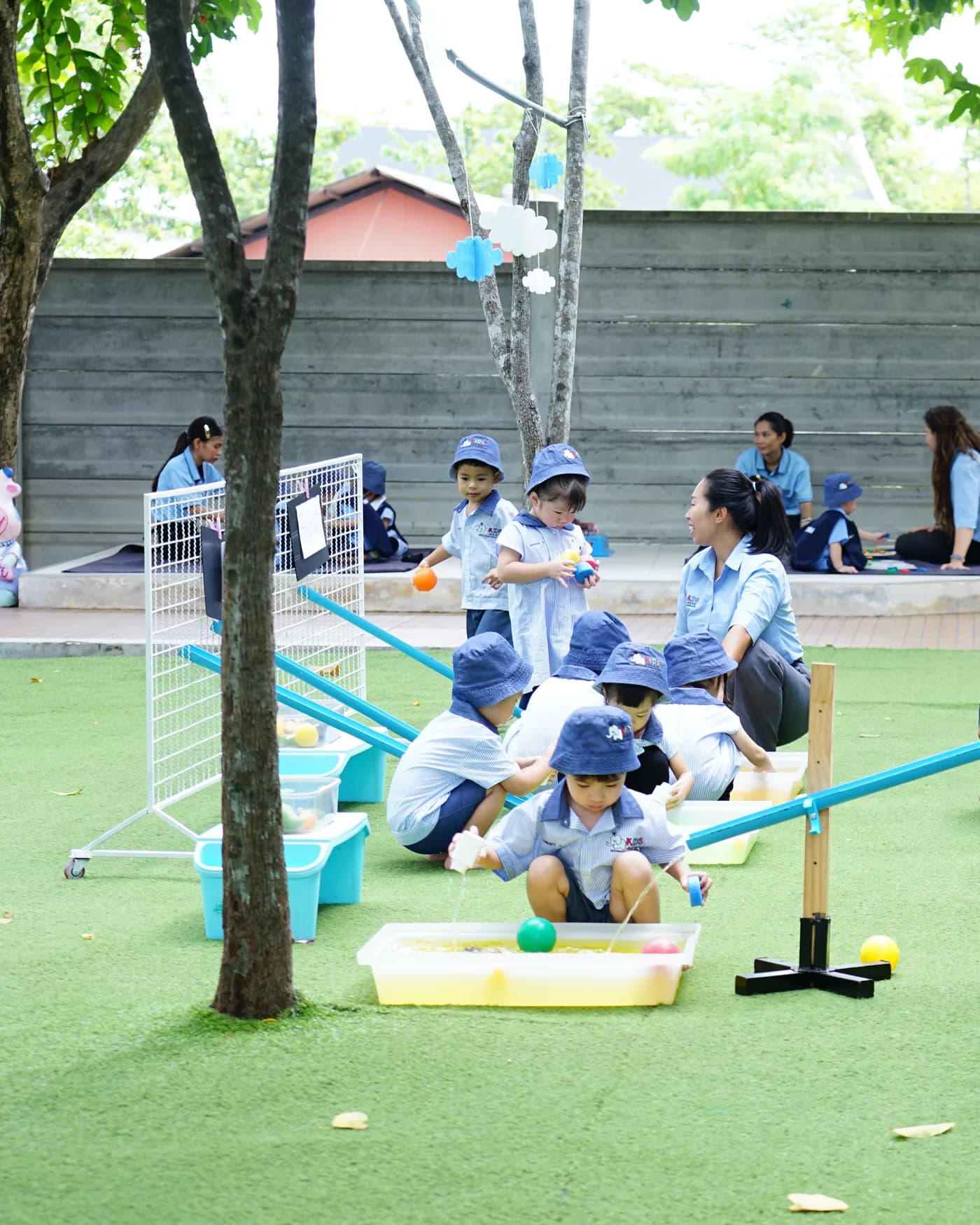
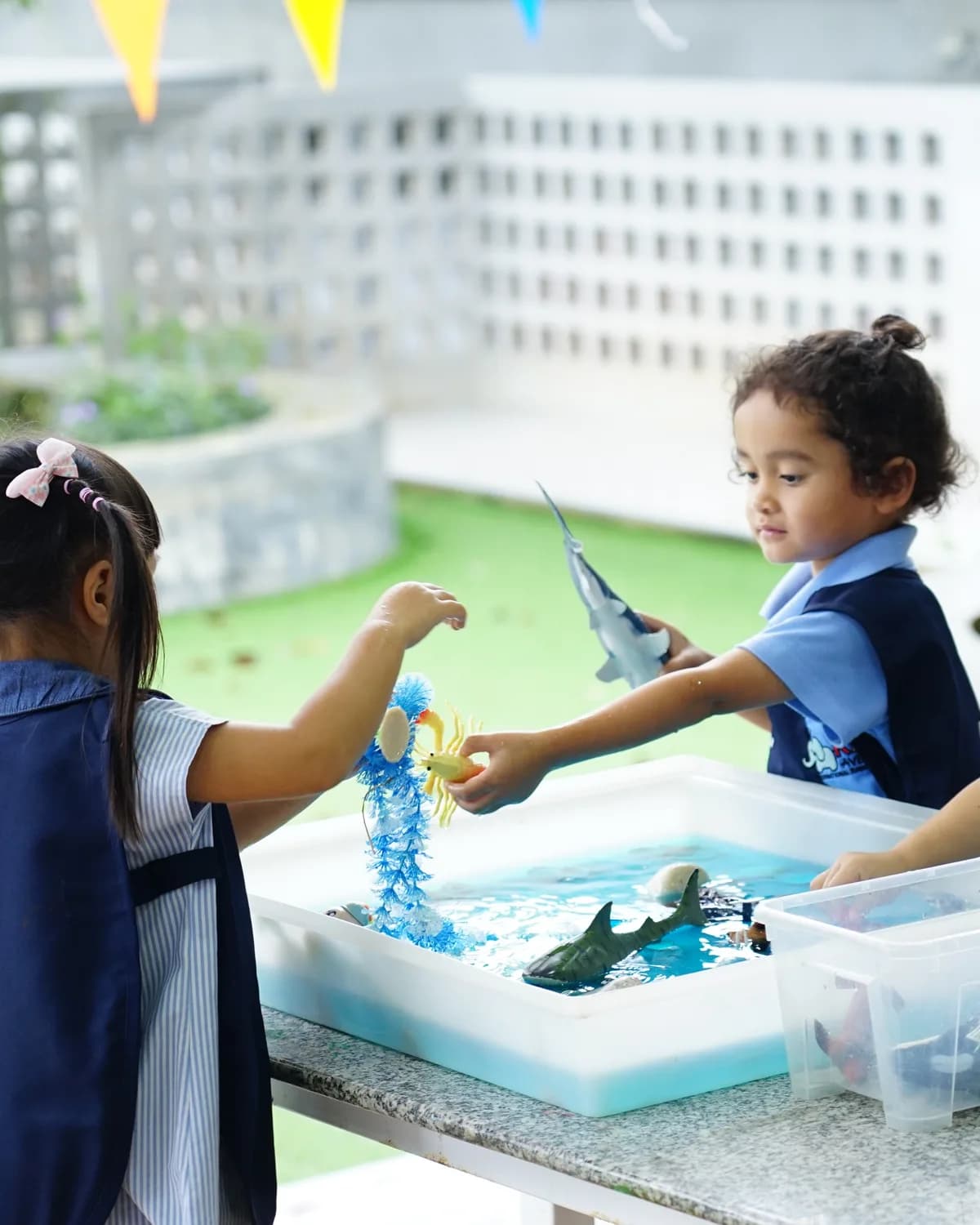
Children learn by doing.
For young children, learning does not happen only when they sit down for a lesson.
It happens when they build and rebuild, listen to a story, ask a question, repeat something until they can do it themselves, negotiate with a friend, investigate something they have discovered, or solve a problem that matters to them.
Our role is to create the conditions where these everyday experiences become meaningful opportunities for learning.
Our approach
One thoughtful approach. Many ways to grow.
Our educational approach brings together complementary practices, each serving a different purpose in a child's development.
Early Years Foundation Stage
A strong foundation for learning.
The Early Years Foundation Stage provides the framework for our curriculum, supporting children's learning and development across the key areas of the early years.
Play with purpose
There is purpose behind the play.
Play gives children something powerful: a reason to think.
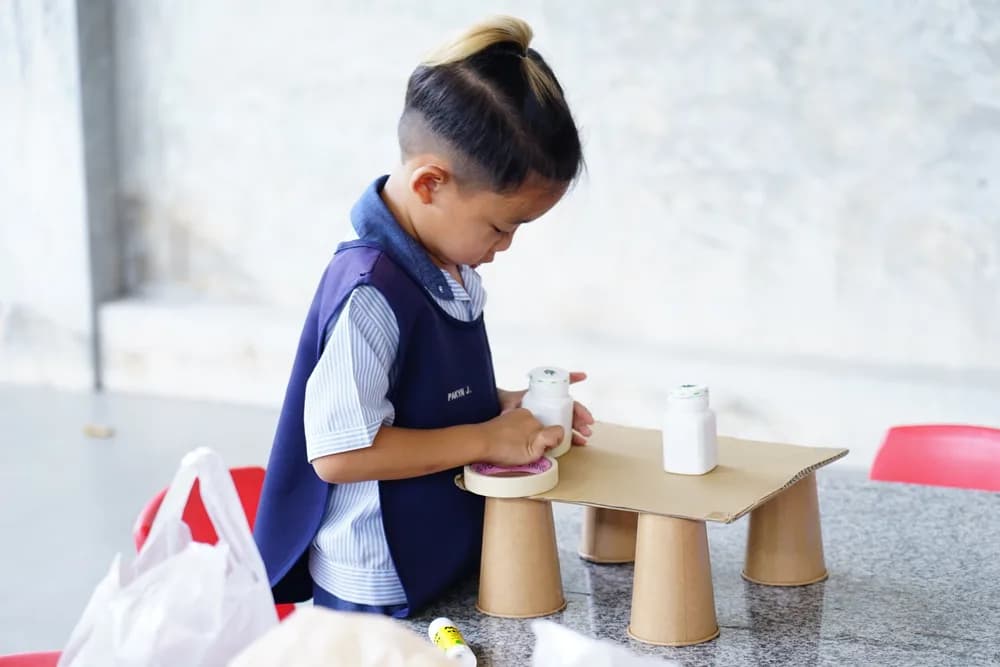
When children build, create, pretend, investigate and experiment, they are making decisions, testing ideas, communicating, solving problems and learning from what happens next.
Our teachers thoughtfully observe these moments and know when to extend an idea, introduce a new challenge, ask a question — or simply give a child more time to discover.
STEM & inquiry
Curiosity is where investigation begins.
A question, an unexpected result or something discovered outdoors can become the beginning of deeper learning.
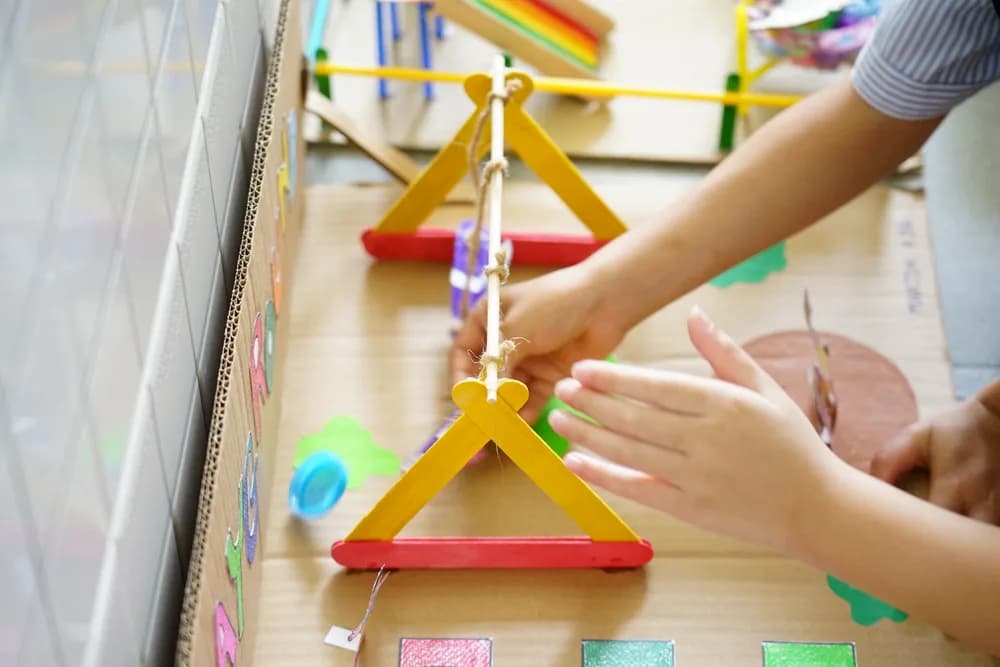
As children grow, we help them move beyond simply exploring towards thinking more deliberately about what they see and what they want to find out.
- Question
- Plan
- Test
- Observe
- Try again
Executive Function
The skills behind confident, independent learners.
Learning is not only about what children know. It is also about whether they can use what they know.
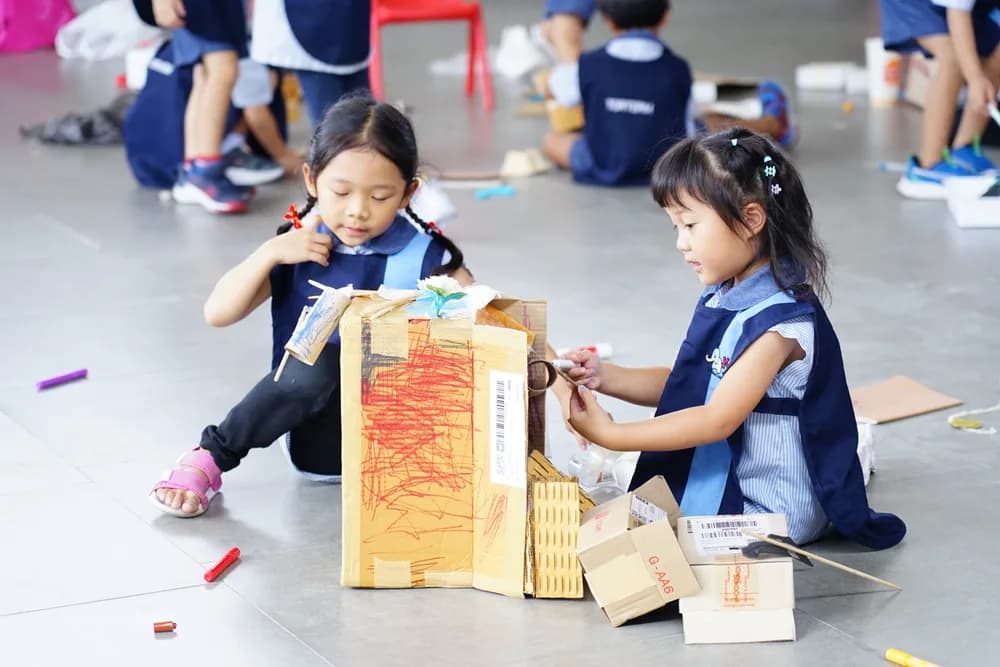
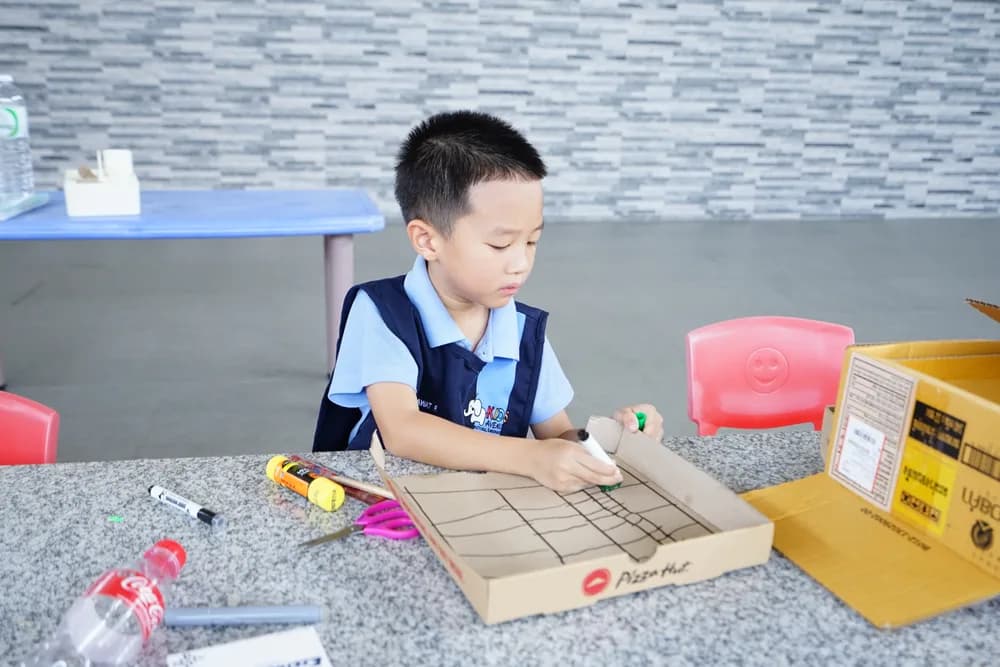
Throughout the day, children have opportunities to practise the Executive Function skills that help them manage themselves and their learning.
- FocusStaying with an experience.
- Holding information in mind.
- PlanThinking about what comes next.
- AdaptTrying another way when something changes.
- ReadyKeeping going when something is difficult.
These skills are not taught in isolation. They are practised through everyday experiences.
Growing capable
“I can do it myself.”
Confidence grows through experience.
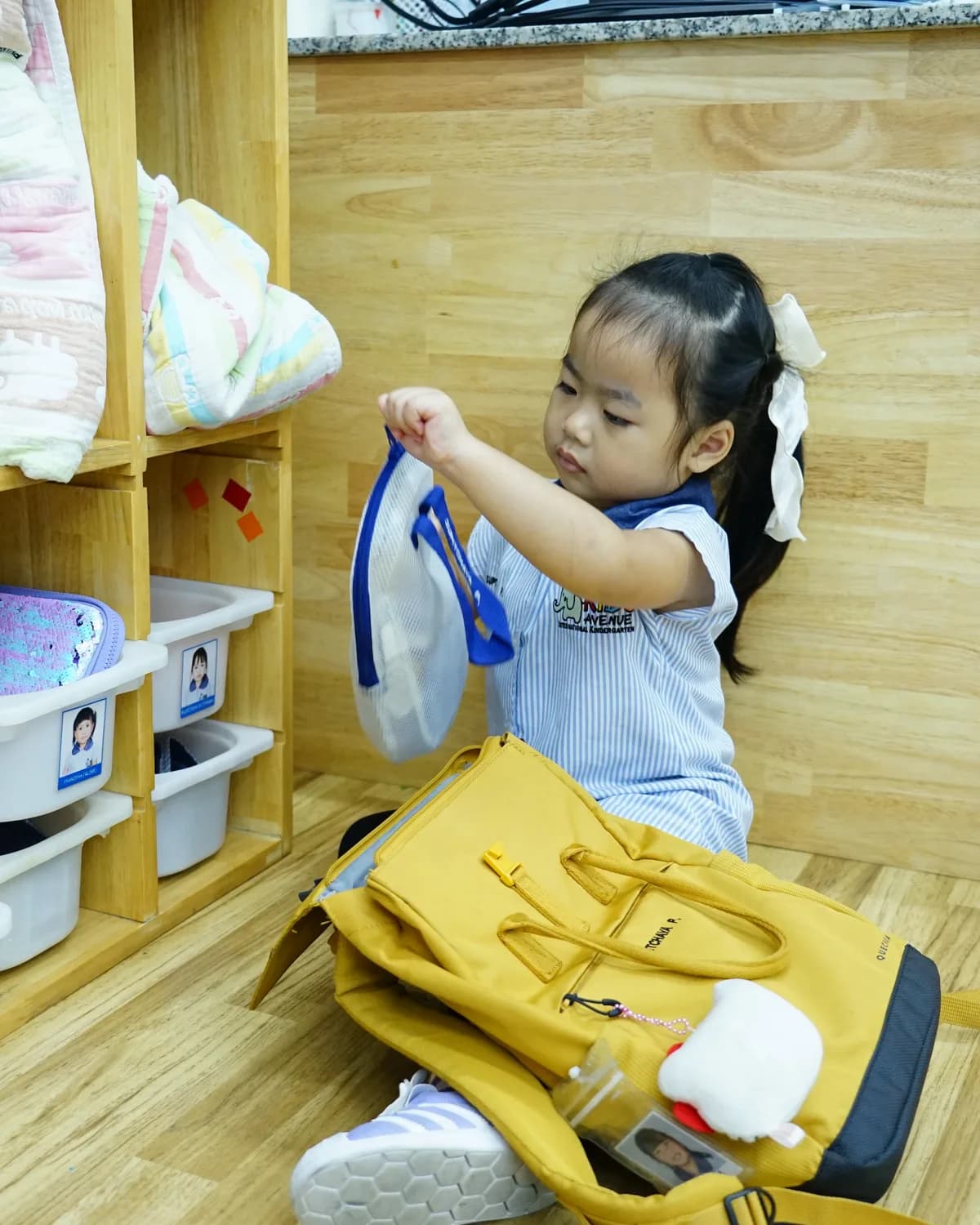
From organising belongings and making choices to preparing materials, solving everyday problems and taking responsibility for their work, children are given genuine opportunities to do more for themselves.
Teachers provide enough support for children to succeed — but enough space for them to discover what they are capable of.
Foundations for learning
A joyful childhood and strong foundations belong together.
We believe children should not have to choose between enjoying childhood and being well prepared for what comes next.
Through meaningful, developmentally appropriate experiences, children build increasingly strong foundations across:
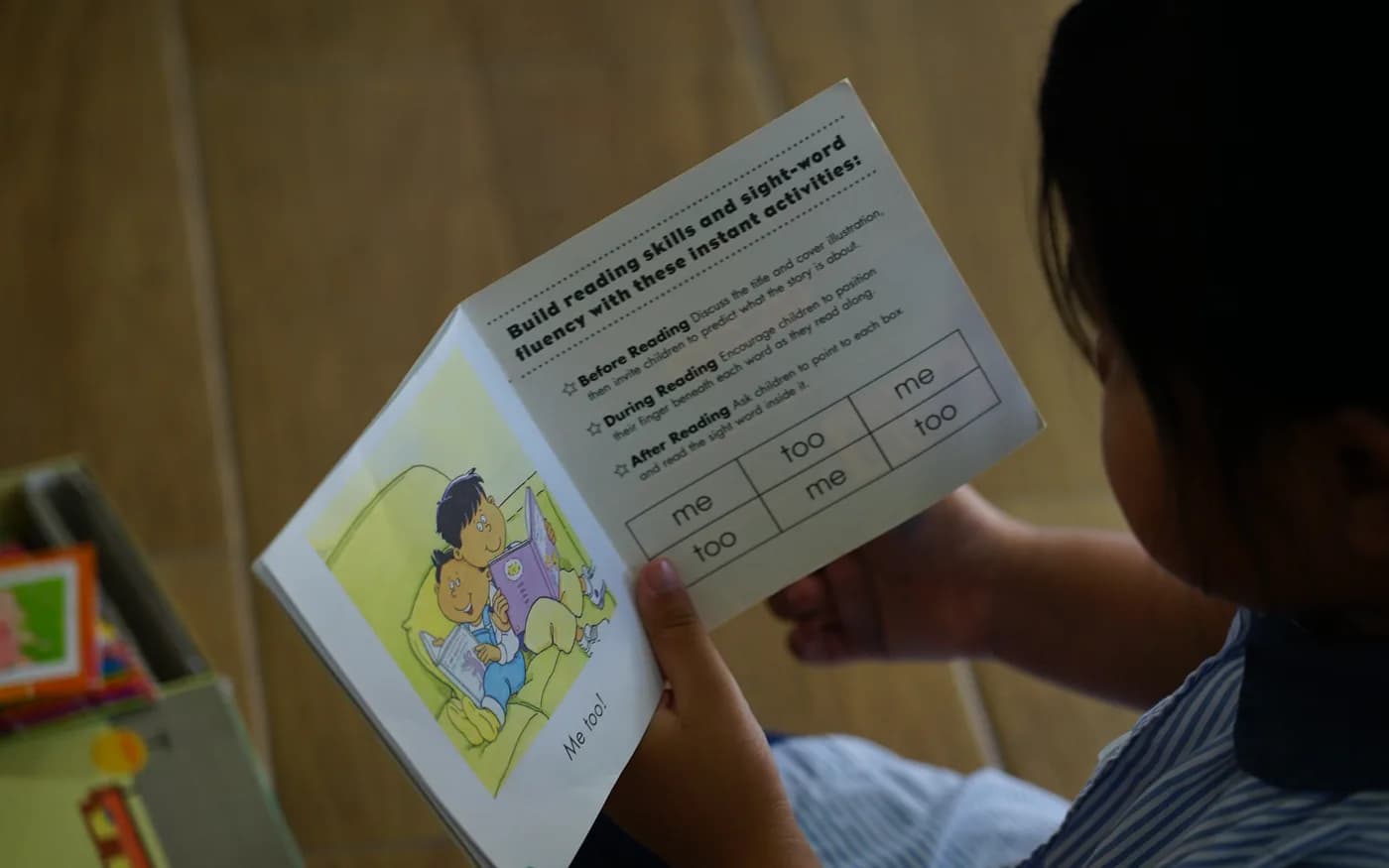
- Language & Literacy
- Mathematical Thinking
- Communication
- Scientific Thinking
- Physical Development
- Social & Emotional Development
- Creativity
- Independence
- Executive Function
As children grow, the learning becomes deeper, more complex and increasingly intentional.
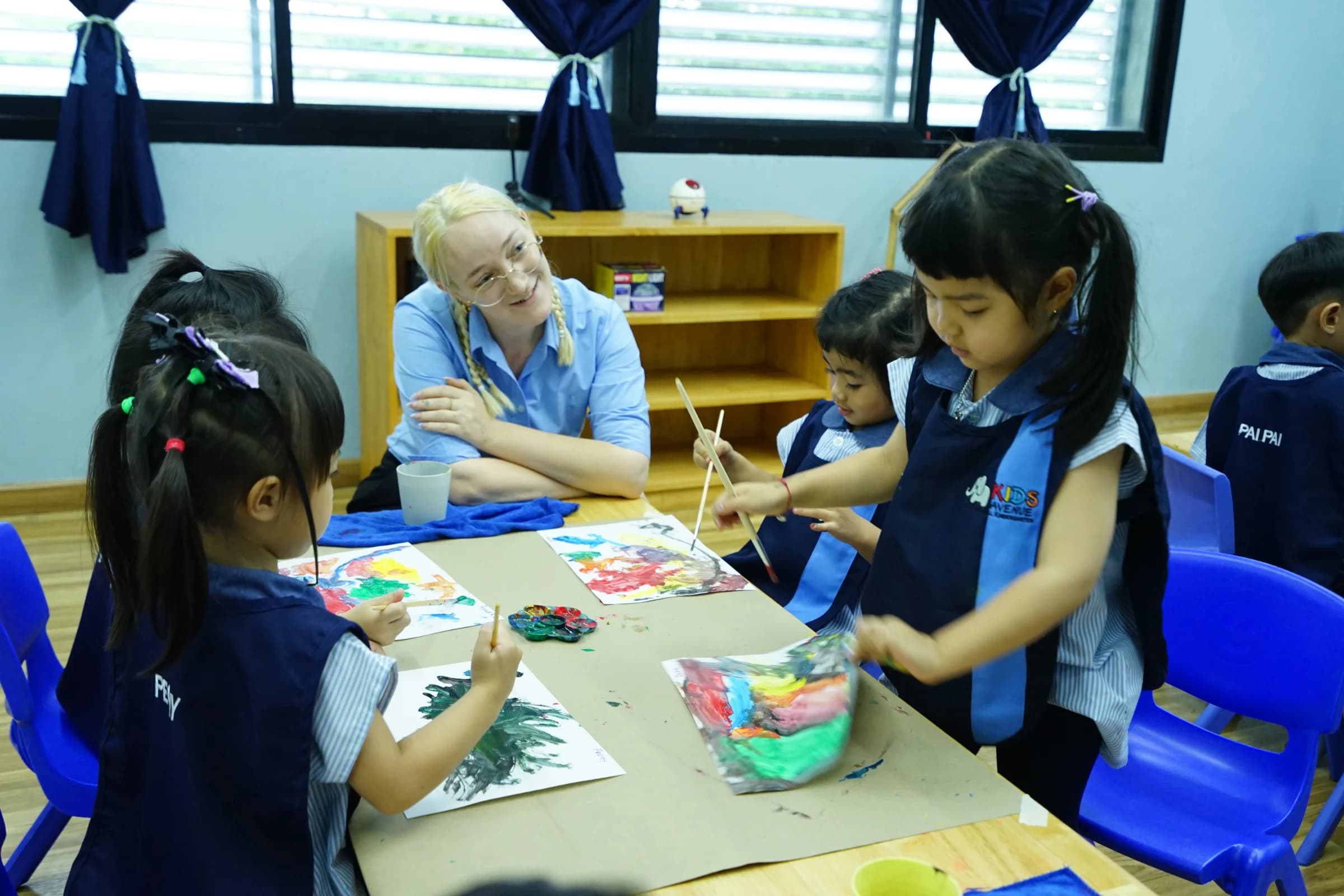
Thoughtful teaching
Knowing when to guide — and when to step back.
Intentional teaching begins with careful observation.
Our teachers are not simply delivering activities. They observe how children approach a challenge, listen to their thinking, notice emerging interests and understand where each child may be ready to go next.
Sometimes that means asking the right question. Sometimes it means introducing a new possibility. And sometimes it means giving a child the time to work something out for themselves.
See learning in action
The best way to understand how children learn here is to see it for yourself.
Visit Kids Avenue, step inside our classrooms and see how purpose, joy and confidence come together in everyday learning.
Book a School Visit